 Learn More
CBD vs CBG vs CBN: Key Differences Explained [2026 Guide]
CBD vs CBG vs CBN vs THC: Key Differences Between CBD, CBG, and Cannabinoids Explained – Benefits of CBD, CBG, and Hemp Compounds for the Endocannabinoid System in CBD Products & CBD Oil [2026 Guide]
Description: Discover the unique benefits of CBD, CBG, and CBN. Learn key differences, effects, and how hemp compounds interact with cannabinoid receptors to offer unique benefits for wellness in 2026.
CBD vs CBG vs CBN: Key Differences Explained – Benefits of CBD, CBG, and CBN in Hemp-Derived Cannabinoids for Wellness [2026 Guide]
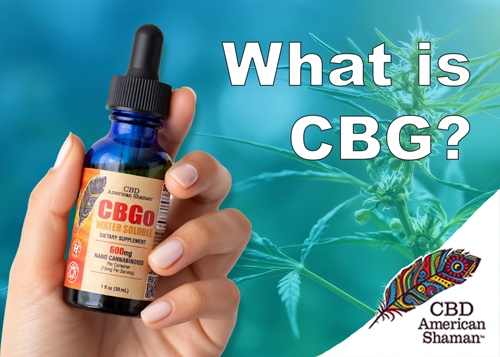
TL;DR:
CBG is the "mother cannabinoid" and a non-intoxicating precursor to CBD and THC, offering potential support for inflammation, brain health, and gut wellness through CB1 and CB2 receptors.
CBD is the most abundant compound found in hemp, widely used for general wellness, stress, and muscle recovery by interacting with cannabinoid receptors.
CBN is the "sleepy cannabinoid" derived from aged THC, primarily studied for relaxation and sleep support without intoxicating effects.
All three are non-intoxicating when derived from legal hemp (<0.3% THC) and interact uniquely with your body's endocannabinoid system (ECS) and receptors in the body.
The cannabis plant contains over 100 cannabinoids, but only a handful—including CBD, CBG, and CBN—have gained mainstream attention for their wellness potential. While these compounds found in the cannabis plant share origins, their effects, uses, and legal status differ significantly. This guide breaks down what's the difference between them, backed by current research and expert insights, so you can choose the right compound for your needs.
---
What Are CBD, CBG, and CBN? Understanding the Difference Between CBD, THC, CBD and CBG in Cannabis and Hemp
CBD (Cannabidiol) is the most abundant non-intoxicating cannabinoid in hemp, making up up to 25% of the plant's chemical profile. It's celebrated for its versatility in oils, gummies, topicals, and capsules, supporting everything from stress to joint comfort. Unlike THC, CBD works without producing psychoactive effects but interacts with cannabinoid receptors to promote balance. CBD has shown potential in supporting various wellness goals.
CBG (Cannabigerol), often called the "mother cannabinoid," is the precursor from which CBD, THC, and other cannabinoids are synthesized. In most strains, CBG exists in tiny concentrations (less than 1%), but specialized breeding can increase levels of CBG. Research suggests CBG could support inflammation, gut health, and brain function without altering perception through its interaction with CB1 and CB2 receptors.
CBN (Cannabinol) is a minor cannabinoid formed when THC degrades over time. Unlike CBG and CBD, CBN is known for its relaxing properties and is being studied for its role in sleep quality and relaxation. Importantly, CBN doesn't produce intoxicating effects, though it may be present in trace amounts in full-spectrum products.
> 🔬 Fun Fact: CBG is so crucial to cannabis chemistry that it's the only cannabinoid converted into THC and CBD during the plant's growth cycle. This is why it's nicknamed the "stem cell" of cannabinoids.
Key Takeaway: While CBD dominates the market, CBG and CBN offer targeted benefits for specific wellness goals. Their low natural abundance means they're often isolated or extracted in specialized products to interact effectively with cannabinoid receptors.
---
How Do CBD, CBG, and CBN Interact with Your Endocannabinoid System? Benefits of CBD, CBG, and CBN Explained for Wellness
All three compounds interact with your endocannabinoid system (ECS), a complex network of receptors (CB1 and CB2) that regulate mood, pain, appetite, and immune response. However, their mechanisms differ:
Cannabinoid | Primary Receptors | Key Effects | Psychoactive? |
|---|---|---|---|
CBD | CB2 (indirectly) | Reduces inflammation, supports stress response, promotes muscle recovery | ❌ No |
CBG | CB1 (mild), CB2 (strong) | May ease gut discomfort, supports brain health, interacts with inflammation pathways | ❌ No |
CBN | CB1 (weak), CB2 | Promotes relaxation, may improve sleep quality | ❌ No |
CBD doesn't bind strongly to CB1 receptors (unlike THC), but it modulates how other compounds interact with the ECS. This is why full-spectrum products often include terpenes for the "entourage effect." Studies suggest that CBD may help treat various conditions.
CBG has a direct affinity for CB2 receptors, which are linked to immune function and inflammation. Research indicates CBG could be beneficial for reducing muscle spasms and supporting gut motility.
CBN is unique because it forms from aged THC, giving it mild sedative properties. While not a sedative like melatonin, early research shows it may enhance sleep quality by promoting relaxation through cannabinoid receptors.
> 🌿 Pro Tip: The ECS doesn't just respond to cannabinoids—it also produces its own (endocannabinoids like anandamide). CBG, CBD, and CBN work by supporting your body's natural balance throughout the body, not overriding it.
Key Takeaway: While all three interact with the ECS, their effects vary based on receptor interaction. CBD works as a generalist, CBG specializes in inflammation, and CBN leans toward relaxation.
---
CBD vs CBG: Key Differences in Chemical Structure, Effects, and Benefits of CBD and CBG for Consumers
At first glance, these two seem similar—both are non-intoxicating and derived from hemp. But their chemical structures, abundance, and effects on the body tell a different story when you examine what's the difference.

Molecular Structure & Biosynthesis of CBD and CBG in Hemp Plants
CBG is the precursor to CBD and THC. In the plant, cannabigerolic acid (CBGA) converts into CBD, THC, or CBG as it matures. This is why CBG is often called the "mother cannabinoid."
CBD is a standalone compound that doesn't convert into other cannabinoids. It's the most abundant in hemp, making up 15-25% of the cannabinoid content and interacts differently in the body.
Natural Abundance in Hemp: Difference Between CBD and CBG Concentrations in Cannabis
Compound | Typical Concentration in Hemp | Why It Matters |
|---|---|---|
CBD | 15-25% | Easy to extract, cost-effective, widely available in products |
CBG | 0.5-2% | Rare in most strains; requires specialized breeding to find CBG |
CBN | <0.1% | Forms from THC degradation; often found in aged cannabis |
Wellness Benefits & Use Cases: How to Choose the Right Cannabinoid Between CBD and CBG for Your Needs
CBD | CBG |
|---|---|
✅ Supports stress and mood balance | ✅ May reduce inflammation and gut discomfort |
✅ Promotes muscle recovery after workouts | ✅ Supports bladder and bowel health |
✅ Helps with sleep (indirectly, via relaxation) | ✅ May protect nerve cells and brain health |
✅ Available in oils, gummies, topicals, capsules | ✅ Found in tinctures, capsules, and specialized blends |
Example: A 2023 study in Neurotherapeutics found that CBG may support normal inflammatory response in the gut, making it a promising option for digestive wellness. Meanwhile, CBD's anti-inflammatory properties are well-documented for things like pain and joint discomfort.
Key Takeaway: CBD is the jack-of-all-trades, while CBG is the targeted ally for inflammation and gut health. Their differences in abundance and biosynthesis explain why CBG products are often pricier and interact uniquely with cannabinoid receptors.
---
CBG vs CBN: Which Compound Serves Your Wellness Goals? Benefits of CBG vs Benefits of CBN Explained
These two are both minor cannabinoids, but their effects are polar opposites—one is energizing, the other is sedating. Here's what's the difference:
Origin & Formation: How CBG and CBN Develop in the Hemp Plant – Key Differences in Biosynthesis
CBG is derived directly from hemp during early growth stages.
CBN is a byproduct of THC degradation. When THC is exposed to heat, light, or oxygen, it slowly converts into CBN over time.
Primary Effects: Psychoactive Properties and Key Differences Between CBG and CBN in Cannabinoids
CBG | CBN |
|---|---|
🔥 May boost energy and focus | 🌙 Promotes relaxation and sleep |
💪 Supports muscle recovery and gut health | 😴 May improve sleep quality and duration |
🧠 Supports brain function and neuroprotection | 🧘 Reduces stress and anxiety |
Scientific Backing: Research on Benefits of CBG and Benefits of CBN for Wellness
CBG is being studied for its potential to reduce inflammation and support bladder function. A 2022 study noted CBG's ability to protect nerve cells in animal models.
CBN is less researched but shows promise for sleep support. A 2021 study found that CBN may prolong sleep time in animal models, though human trials are limited. CBN is known for its relaxing effects.
Who Should Choose Which? How to Choose the Right Cannabinoid Between CBG and CBN
Choose CBG if you: Want a non-intoxicating option for inflammation, gut health, or brain function. It's ideal for daytime use as it doesn't produce intoxicating effects.
Choose CBN if you: Struggle with sleep or relaxation. It's best taken in the evening and may be an effective sleep aid.
> ⚠️ Important: CBN's sedative effects are mild compared to prescription sleep aids. If you're taking medications or have a sleep disorder, it's best to speak with a healthcare provider before trying CBN products.
Key Takeaway: CBG is the daytime ally for inflammation and focus, while CBN is the evening ally for sleep and relaxation. Their opposing effects make them complementary in a wellness routine through their unique effects on cannabinoid receptors.
---
CBD vs CBN: Effects, Uses, and How to Choose the Right Cannabinoid for Your Wellness Routine
These two are often mentioned together, but their effects and applications differ significantly. Here's how to decide which is right for you when examining what's the difference:
Primary Benefits: Benefits of CBD vs Benefits of CBN for Health and Wellness
CBD | CBN |
|---|---|
✅ Balances mood and stress | ✅ Promotes deep relaxation |
✅ Supports muscle recovery | ✅ May improve sleep quality |
✅ Reduces inflammation | ✅ May ease anxiety |
✅ Available in oils, gummies, topicals | ✅ Often found in sleep-specific blends |
Scientific Insights: Key Differences in How CBD and CBN Work in the Endocannabinoid System
CBD is one of the most researched cannabinoids. A 2020 review highlighted its role in reducing oxidative stress and supporting immune function through cannabinoid receptors.
CBN is less studied, but preliminary research suggests it may enhance sleep quality by interacting with GABA receptors, similar to how some anti-anxiety medications work. CBN is known for its relaxing properties.
Product Formats: Best CBD and CBN Products for Different Wellness Needs
CBD is available in isolate, broad-spectrum, and full-spectrum forms. Full-spectrum products may include terpenes like myrcene or limonene, enhancing effects.
CBN is typically found in sleep-specific products, often combined with CBD or melatonin for synergistic effects on the central nervous system.
When to Choose CBD Over CBN (and Vice Versa): How to Choose the Right Cannabinoid for Your Goals
Scenario | Recommended Cannabinoid |
|---|---|
Need daytime stress support | CBD |
Struggling with sleep | CBN (or CBD + CBN combo) |
Post-workout recovery | CBD |
Gut inflammation | CBG (or CBD + CBG) |
Anxiety and focus | CBD |
> 💡 Pro Tip: Many users combine CBD and CBN for a balanced approach—CBD for daytime wellness, CBN for evening relaxation through their effects on cannabinoid receptors.
Key Takeaway: These two serve different purposes. CBD is a versatile wellness ally, while CBN is a specialized sleep aid. Match your choice to your needs based on how they interact with receptors in the body.
---
Which Cannabinoid Best Supports Pain and Inflammation? Benefits of CBD, CBG, and CBN Compared for Relief
Pain and inflammation are two of the most common reasons people turn to these compounds. Here's how they compare:

CBD for Pain and Inflammation: Benefits of CBD in Managing Discomfort Naturally
Mechanism: Interacts with CB2 receptors, reducing inflammation and modulating pain signals.
Evidence: A 2021 study found that it may reduce chronic pain by interacting with serotonin receptors.
Best For: General muscle soreness, joint discomfort, and inflammation.
CBG for Pain and Inflammation: Benefits of CBG and Its Role in Wellness and Recovery
Mechanism: Binds directly to CB2 receptors, which are linked to immune response and inflammation pathways.
Evidence: Research showed CBG may reduce colon inflammation in animal models of IBD.
Best For: Targeted inflammation (e.g., gut health, bladder discomfort).
CBN for Pain and Inflammation: How CBN Compares to CBD and CBG for Relief
Mechanism: Its sedative properties may indirectly help with pain by promoting relaxation and improving sleep quality.
Evidence: Limited human trials exist, but animal studies suggest it may enhance the effects of other pain-relieving compounds.
Best For: Sleep-related pain (e.g., discomfort that worsens at night).
Winner? How to Choose the Right Cannabinoid for Pain Relief Based on Key Differences
For general inflammation: CBD (well-researched, widely available).
For targeted inflammation (gut, bladder): CBG (higher affinity for CB2 receptors).
For sleep-related pain: CBN (indirect support via relaxation).
Key Takeaway: CBD is the go-to for most pain and inflammation needs, but CBG offers targeted benefits for specific conditions like gut health through its interaction with cannabinoid receptors.
---
CBN for Sleep vs CBG for Relaxation: Key Differences and Benefits of CBN and CBG Explained
Sleep and relaxation are closely linked, but these compounds address them differently:
CBN for Sleep: Benefits of CBN in Promoting Restful Sleep Naturally
Effect: Often called the "sleepy cannabinoid" because it forms from aged THC and has mild sedative properties.
Mechanism: Interacts with GABA receptors, which are involved in calming the nervous system.
Evidence: A 2021 study found that CBN prolonged sleep time in animal models. CBN is known for its relaxing effects.
Best For: People struggling with insomnia or fragmented sleep. Often combined with melatonin or CBD in sleep-specific products.
CBG for Relaxation: Benefits of CBG for Calming Effects and Stress Relief
Effect: Doesn't cause drowsiness but may promote mental clarity and comfort.
Mechanism: Supports the ECS in regulating stress and mood, indirectly aiding relaxation through CB1 and CB2 receptors.
Evidence: A 2023 review noted CBG's potential to reduce anxiety-like behaviors in animal models.
Best For: Daytime stress, focus, and overall wellness.
Which to Choose? How to Choose the Right Cannabinoid for Sleep or Relaxation Needs
Goal | Recommended Cannabinoid |
|---|---|
Fall asleep faster | CBN |
Stay asleep longer | CBN + CBD combo |
Reduce daytime stress | CBG |
Improve post-workout recovery | CBD or CBG |
> 🌙 Tip: If you're new to CBN, start with a low dose (5-10 mg) to assess tolerance. Combine it with CBD for a balanced effect on cannabinoid receptors.
Key Takeaway: CBN is the sleep specialist, while CBG is the daytime relaxation ally. Use them based on your needs and how they interact with your body's endocannabinoid system.
---
Is CBG Legal? Federal & State Laws for Hemp-Derived Cannabinoids and CBD Products Explained
The legal status depends on their source and THC content. Here's what you need to know about these compounds found in cannabis plants:
Federal Laws (U.S.): Legal Status of CBG, CBD, and Other Hemp Compounds Under Current Regulations
Hemp-derived CBG, CBD, and CBN are legal if they contain less than 0.3% THC (per the 2018 Farm Bill). The Food and Drug Administration has not approved these for medical use.
Isolate and broad-spectrum products (THC-free) are legal nationwide.
Full-spectrum products (containing trace THC) are legal but may face stricter state regulations. These have been evaluated by the Food and Drug Administration for safety.
State Laws: Variations in Legality for CBD Products and CBG Across the U.S.
State regulations vary widely. For example:
California, Colorado, Oregon: Allow all hemp-derived cannabinoids, including full-spectrum products.
Texas, Idaho: Have stricter limits on THC content in hemp products.
New York, Delaware: Ban CBN entirely due to its THC origin (even in trace amounts).
International Laws: Global Regulations on Hemp and Cannabinoids for Consumers
Canada: CBG and CBN are legal if derived from hemp (<0.3% THC).
UK/EU: CBD and CBG are legal, but CBN is regulated as a controlled substance.
Australia: CBN is legal, but THC content limits apply.
Key Takeaways for Consumers: How to Navigate Legal Considerations for CBD and CBG Products
✅ Check your state's laws before purchasing CBN or full-spectrum products. ✅ Choose third-party tested products to ensure compliance with THC limits. ✅ Isolates and broad-spectrum are the safest options for travel or states with strict regulations.
> 📌 Pro Tip: Always buy from reputable brands that provide Certificate of Analysis (COA) for their products to ensure they've been evaluated by the food and drug administration standards.
Key Takeaway: While hemp-derived CBG and CBD are federally legal, CBN's legal status varies by state and country. Always verify local regulations when considering these compounds found in the cannabis plant.
---
Best CBG, CBD, and CBN Products: Oils, Gummies & More – How to Choose the Right Cannabinoid Products for Wellness
Not all products are created equal. Here's how to choose high-quality options that interact effectively with cannabinoid receptors:
CBG Products: Best CBG Oils and Gummies for Wellness and Benefits of CBG
Product Type | What to Look For | Top Picks |
|---|---|---|
CBG Oil/Tincture | Full-spectrum or isolate, third-party tested, 1000-3000 mg per bottle | CBD American Shaman CBG Oil (1000 mg) |
CBG Gummies | 10-25 mg per gummy, no artificial additives |
