 Learn More
THC Explained: What It Is, How It Works & Its Effects on the Body
TL;DR:
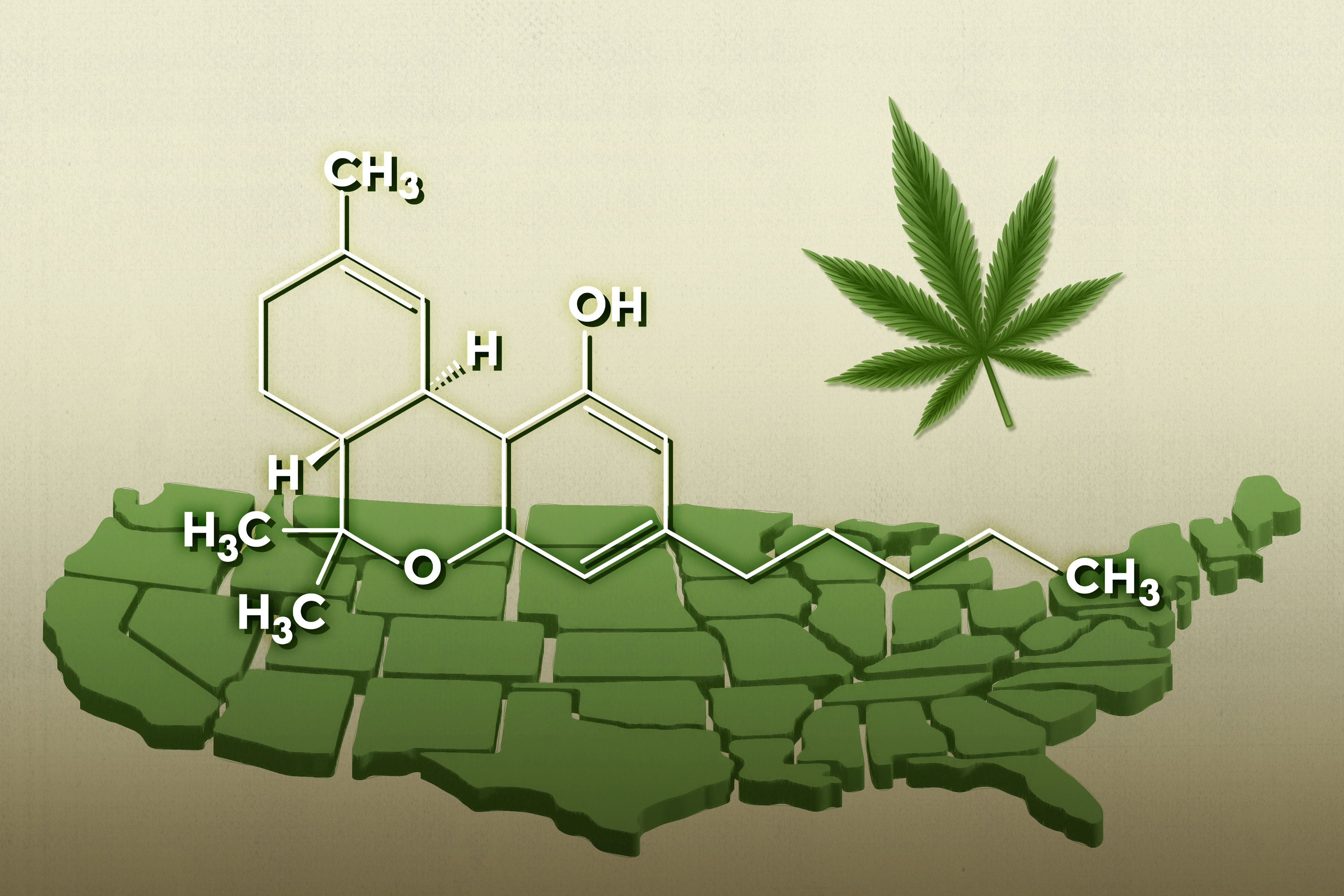
THC (tetrahydrocannabinol) is the main psychoactive compound in cannabis that produces the "high" feeling by interacting with your brain’s receptors.
It affects mood, memory, appetite, and perception, with effects lasting 2–6 hours depending on the method of consumption.
While marijuana is its most well-known source, THC can also be found in synthetic forms and some medications.
Legal status varies widely—some places allow recreational or medical use, while others restrict or ban it entirely.
THC, or tetrahydrocannabinol, is the chemical compound in cannabis responsible for most of its psychological effects. When you consume cannabis—whether smoked, vaporized, or eaten—THC enters your bloodstream and crosses into your brain. There, it binds to CB1 receptors in your endocannabinoid system, triggering a cascade of effects that alter perception, mood, and cognition. This is why THC is often called the "psychoactive" component of cannabis.
But THC isn’t just about getting "high." Research suggests it may also offer therapeutic benefits for conditions like chronic pain, nausea, and even certain neurological disorders. However, it’s not without risks—overconsumption can lead to side effects like anxiety, impaired coordination, or long-term cognitive effects, especially in adolescents. Whether you’re curious about its effects, legal status, or medical potential, this guide covers everything you need to know about THC in 2026.
---
What Is THC? Definition and Basic Facts
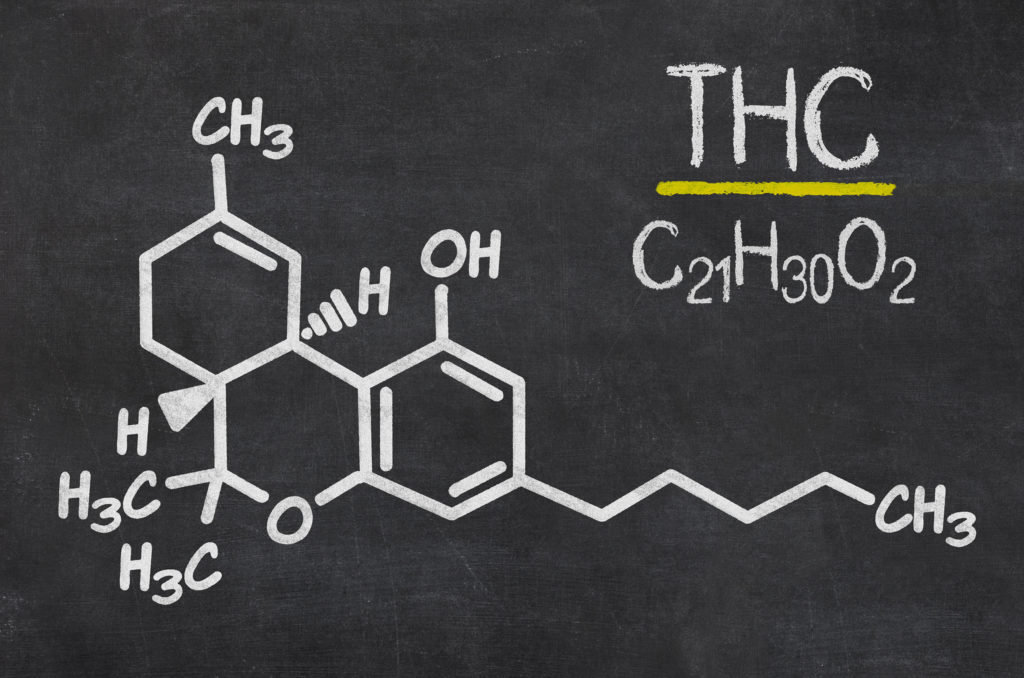
THC is the primary psychoactive compound in cannabis that produces the "high" sensation by activating cannabinoid receptors in the brain.
Discovered in the 1960s, tetrahydrocannabinol (THC) is one of over 100 cannabinoids found in the Cannabis sativa plant. Unlike its non-psychoactive counterpart CBD, THC directly influences the central nervous system, leading to altered sensory perception, euphoria, and relaxation. It’s the reason cannabis is classified as a controlled substance in many countries.
Key Facts About THC:
Chemical Formula: C₂₁H₃₀O₂
Molecular Weight: 314.47 g/mol
Source: Primarily extracted from marijuana (high-THC cannabis strains) or synthesized in labs.
Legal Status: Varies by country and state—some allow recreational use, while others permit only medical or no use at all.
Fun Fact: The strength of THC in modern cannabis has increased dramatically over the past few decades. In the 1970s, average THC content in street cannabis was around 2–3%. Today, it can exceed 30% in some strains, thanks to selective breeding and advanced cultivation techniques.
---
How Does THC Work in the Body? Mechanism of Action
THC mimics the natural cannabinoids produced by your body, binding to CB1 receptors in the brain and altering neurotransmitter release.
When you consume THC, it quickly enters your bloodstream and crosses the blood-brain barrier. Once there, it binds to CB1 receptors—part of the endocannabinoid system—which are abundant in brain regions like the hippocampus (memory), cerebellum (movement), and cerebral cortex (decision-making). This interaction disrupts normal neurotransmitter signaling, leading to the characteristic "high."
The Science Behind THC’s Effects:
Short-Term Memory Impairment: THC reduces activity in the hippocampus, making it harder to form new memories.
Increased Dopamine Release: Like many addictive substances, THC triggers dopamine release in the nucleus accumbens, reinforcing pleasurable sensations.
Appetite Stimulation: THC activates receptors in the hypothalamus, increasing hunger (hence the term "the munchies").
Pain Relief: By modulating pain signals, THC can temporarily reduce discomfort, which is why it’s used in some medical treatments.
Important Note: The intensity of these effects depends on the THC concentration, your body’s tolerance, and individual brain chemistry. For example, edibles take longer to kick in (30–90 minutes) but produce more prolonged effects than smoking.
---
THC vs. CBD: Key Differences Explained
While both are cannabinoids from cannabis, THC is psychoactive and CBD is not—here’s what sets them apart.
Feature | THC | CBD |
|---|---|---|
Psychoactive | Yes (produces a "high") | No (non-intoxicating) |
Legal Status | Often restricted | Federally legal in many places (e.g., U.S. Farm Bill 2018) |
Medical Uses | Pain, nausea, glaucoma | Anxiety, epilepsy, inflammation |
Side Effects | Impaired memory, anxiety | Generally well-tolerated |
Extraction | From marijuana (high-THC) | From hemp (low-THC) |
Why This Matters: Many people use CBD products to avoid THC’s psychoactive effects while still gaining potential health benefits. However, full-spectrum CBD products may contain trace amounts of THC (up to 0.3% in the U.S.), which could show up on a drug test.
---
What Are the Psychoactive Effects of THC?
THC’s psychoactive effects typically begin within minutes of inhalation and can last 2–6 hours, depending on the dose and method of consumption.
The "high" from THC is subjective but often includes:
✅ Euphoria & Relaxation: A sense of well-being and stress relief.
✅ Altered Perception: Enhanced sensory experiences (e.g., colors appear brighter, sounds more vivid).
✅ Increased Appetite: The classic "munchies" effect.
✅ Pain Relief: Temporary reduction in chronic pain or discomfort.
✅ Creativity & Sociability: Some users report heightened creativity or talkativeness in low doses.
⚠️ Potential Negative Effects:
Anxiety/Paranoia: High doses can trigger panic attacks or paranoia in sensitive individuals.
Impaired Coordination: Slower reaction times and reduced motor control (why driving under the influence is dangerous).
Memory Lapses: Short-term memory can be temporarily impaired, making it hard to focus or retain new information.
Dry Mouth & Red Eyes: Common side effects due to reduced saliva production and blood vessel dilation.
Pro Tip: Start with a low dose (5–10 mg THC) if you’re new to cannabis, especially with edibles, which can take up to 2 hours to fully kick in. Higher doses (20+ mg) increase the risk of overwhelming effects.
---
THC Content in Cannabis: What You Need to Know
The THC percentage in cannabis products determines potency—and higher isn’t always better.
Typical THC Levels by Product Type:
Flower (Dried Cannabis): 15–30% THC in modern strains (up from ~4% in the 1980s).
Concentrates (Wax, Shatter, Oil): 60–90% THC—extremely potent and fast-acting.
Edibles: 5–100 mg per serving (e.g., gummies often contain 10–50 mg).
Tinctures & Oils: 100–1000 mg per bottle, with doses typically ranging from 1–30 mg per use.
Topicals (Creams, Balms): Usually <0.3% THC (not psychoactive).
Why Potency Matters: Higher THC levels don’t necessarily mean a better experience—they increase the risk of negative side effects like anxiety or nausea. For beginners, strains with 15–20% THC are a good starting point.
---
Medical Uses of THC: Conditions It May Help
THC is FDA-approved for several medical conditions and is widely studied for others.
Approved Medical Uses of THC:
Nausea & Vomiting (Chemotherapy Patients): Dronabinol (Marinol) and nabilone (Cesamet) are synthetic THC prescribed to reduce chemotherapy-induced nausea.
Chronic Pain: Studies show THC can help manage neuropathic pain, especially in conditions like multiple sclerosis or fibromyalgia.
Appetite Stimulation (AIDS/HIV): THC is approved to combat wasting syndrome in AIDS patients.
Glaucoma: THC can reduce intraocular pressure, though other treatments are more common.
Epilepsy (Lennox-Gastaut Syndrome): While CBD is the primary compound used, THC may play a role in some cases.
Emerging Research Areas:
Neuroprotection: Some studies suggest THC may slow the progression of Alzheimer’s disease by reducing inflammation.
PTSD: Early research indicates THC could help with symptoms like nightmares and hyperarousal.
Depression & Anxiety: While it can temporarily relieve symptoms, long-term use may worsen them in some individuals.
Important: Always consult a healthcare provider before using THC for medical purposes. Self-medicating can be risky, especially if you’re on other medications.
---
Potential Risks and Side Effects of THC
THC isn’t harmless—overconsumption or frequent use can lead to short-term and long-term health risks.
Short-Term Risks:
Cognitive Impairment: Slowed reaction time, poor judgment, and difficulty concentrating.
Anxiety/Panic Attacks: High doses can trigger overwhelming fear or paranoia.
Increased Heart Rate: May cause palpitations or discomfort in people with heart conditions.
Dry Mouth & Eyes: Temporary but uncomfortable side effects.
Long-Term Risks:
Addiction Potential: About 9% of cannabis users develop a dependency, with higher rates (17%) in daily users. Symptoms include cravings and withdrawal (e.g., irritability, sleep issues).
Psychosis Risk: In genetically predisposed individuals, heavy cannabis use (especially high-THC strains) may trigger schizophrenia or psychosis.
Memory & Learning Issues: Chronic use, particularly in teens, can impair cognitive development.
Respiratory Problems: Smoking cannabis can irritate the lungs, similar to tobacco smoke.
Who Should Avoid THC?
People with a history of psychosis or schizophrenia.
Individuals prone to anxiety or panic attacks.
Pregnant or breastfeeding women (THC can affect fetal development).
Adolescents (due to risks for brain development).
Those with heart conditions (THC can increase heart rate).
---
Is THC Legal? Current Laws and Regulations
THC’s legal status is a patchwork—some places allow recreational or medical use, while others impose strict bans.
Global THC Laws (2026):
Country/Region | Recreational Use | Medical Use | THC Limit for Products |
|---|---|---|---|
United States | Legal in 24 states | Legal in 38 states | Varies by state (0.3%–30%) |
Canada | Legal nationwide | Legal | <10 mg per package |
Netherlands | Decriminalized (coffeeshops) | Legal | <0.5% in products |
Germany | Legal for adults (18+) | Legal with prescription | 0.2% THC in CBD products |
Australia | Legal in ACT only | Legal nationwide | 2% THC in products |
United Kingdom | Illegal | Legal (Sativex) | <1 mg per product |
Uruguay | Legal nationwide | Legal | 10% max in flower |
Key Legal Considerations:
Driving Under the Influence: Illegal in all U.S. states and most countries—THC impairs driving ability even hours after use.
Workplace Testing: Many employers test for THC, and a positive result can lead to disciplinary action.
Traveling with THC: Transporting THC across state/country lines is illegal, even if both locations allow it.
Bottom Line: Always check your local laws before purchasing or using THC products. When in doubt, opt for CBD products with 0% THC to stay compliant.
---
How to Consume THC: Methods and Best Practices
From smoking to edibles, the method of consumption dramatically affects THC’s onset, duration, and intensity.
Common THC Consumption Methods:
Method | Onset Time | Duration | Pros | Cons |
|---|---|---|---|---|
Smoking (Joint, Pipe) | 5–15 min | 2–4 hrs | Fast-acting, easy dose control | Lung irritation, odor |
Vaporizing | 5–15 min | 2–4 hrs | Less lung irritation, discreet | Requires device, can be expensive |
Edibles | 30–90 min | 4–12 hrs | Long-lasting, discreet | Hard to dose, delayed effects |
Tinctures | 15–45 min | 4–6 hrs | Precise dosing, no smoking | Taste can be unpleasant |
Topicals | 15–60 min | 2–4 hrs | No psychoactive effects | Doesn’t work for deep pain |
Dabs (Concentrates) | Instant | 1–3 hrs | Extremely potent | High risk of overconsumption |
Best Practices for Safe Consumption:
Start Low, Go Slow: Begin with 5–10 mg THC (e.g., half a gummy) and wait at least 2 hours before consuming more.
Avoid Mixing with Alcohol: Combining THC and alcohol increases impairment and nausea risk.
Stay Hydrated: THC can cause dry mouth—drink water but avoid excessive caffeine, which can worsen anxiety.
Know Your Limits: If you feel overwhelmed, try deep breathing, CBD (which can counteract some THC effects), or a nap.
Store Safely: Keep THC products locked up and away from children/pets—edibles look like candy!
---
THC Dosage Guidelines: How Much Is Safe?
Dosing THC is tricky—what works for one person may be too much for another. Here’s a general guideline.
THC Dosage by Experience Level:
Experience Level | Low Dose | Moderate Dose | High Dose |
|---|---|---|---|
Beginner | 1–5 mg | 5–15 mg | 15–30 mg |
Intermediate | 10–20 mg | 20–40 mg | 40–60 mg |
Advanced | 25–50 mg | 50–100 mg | 100+ mg |
Critical Dosage Tips:
Edibles are deceptive: A 100 mg edible can feel like 200 mg to a beginner because THC is metabolized differently when eaten.
Tolerance matters: Regular users may need higher doses to feel the same effects, but they’re also at greater risk for side effects.
Microdosing (1–5 mg): Popular for managing pain or anxiety without impairment. Best for daytime use.
Warning: Consuming more than 100 mg THC at once can lead to severe anxiety, hallucinations, or even hospitalization. If you’re unsure, err on the side of caution.
---
THC in Edibles: Onset, Duration, and Tips
Edibles offer a discreet way to consume THC, but their delayed effects and unpredictable potency make dosing a challenge.
How Edibles Work:
Ingestion: You swallow THC (often in the form of oil, butter, or gummies).
Digestive Process: THC is absorbed through the liver, where it’s metabolized into 11-hydroxy-THC—a compound that crosses the blood-brain barrier more easily, leading to stronger effects.
Onset Time: 30–90 minutes (up to 2 hours for some people).
Peak Effects: 2–4 hours after ingestion.
Duration: 4–12 hours, depending on dose.
Common Mistakes to Avoid:
Eating Too Much Too Soon: Wait at least 2 hours before considering a second dose.
Storing Edibles Improperly: Heat and light degrade THC—store in a cool, dark place.
Assuming Uniform Potency: Homemade edibles can vary widely in THC content. Buy from reputable brands with lab-tested products.
Pro Tip: If you’re new to edibles, try a 5 mg THC gummy and pair it with a meal to slow absorption and reduce intensity.
---
How Long Does THC Stay in Your System?
THC and its metabolites can linger in your body for days, weeks, or even months, depending on usage frequency.
THC Detection Windows:
Type of Test | Occasional User (1–3x/week) | Frequent User (4–7x/week) | Chronic User (Daily) |
|---|---|---|---|
Urine | 3–7 days | 1–3 weeks | 4+ weeks |
Blood | 1–2 days | 3–7 days | Up to 30 days |
Saliva | 1–3 days | 3–7 days | Up to 30 days |
Hair | Up to 90 days | Up to 90 days | Up to 90 days |
Factors That Affect Detection Time:
Body Fat: THC is fat-soluble, so people with higher body fat may retain it longer.
Metabolism: Faster metabolism = shorter detection window.
Hydration & Exercise: Drinking water and sweating may slightly reduce detection time, but not enough to pass a drug test.
Can You Speed Up Detox?
False Negatives: Some methods (e.g., drinking cranberry juice) are myths—there’s no proven way to flush THC out of your system faster.
Quit Using: The only sure way to clear THC is to stop consuming it.
---
Common Myths About THC Debunked
Misconceptions about THC run rampant—here’s the truth behind the most persistent myths.
Myth 1: "THC is Completely Illegal Everywhere"
Reality: THC is legal for medical or recreational use in many countries and U.S. states. Always check local laws.
Myth 2: "You Can’t Overdose on THC"
Reality: While fatal overdoses are rare, consuming extremely high doses (e.g., 1000+ mg) can lead to severe symptoms like hallucinations, vomiting, or hospitalization.
Myth 3: "THC is Always Addictive"
Reality: About 9% of users develop a dependency, but most recreational users consume without issues. Risk factors include genetics, frequency of use, and dose.
Myth 4: "THC Causes Permanent Brain Damage"
Reality: Occasional use in adults doesn’t cause permanent damage, but chronic, heavy use in adolescents may impair cognitive development.
Myth 5: "CBD Has No THC—It’s Completely Safe"
Reality: Full-spectrum CBD can contain trace amounts of THC (up to 0.3%), which may show up on drug tests. Always check labels.
Myth 6: "THC is Only for Recreational Use"
Reality: THC has FDA-approved medical uses for nausea, pain, and appetite stimulation, with ongoing research for other conditions.
---
Current THC Research and Future Directions
Scientists are uncovering new ways THC could benefit health—but challenges remain.
Promising Areas of Research:
Neurodegenerative Diseases: THC may slow the progression of Alzheimer’s and Parkinson’s by reducing brain inflammation.
Autoimmune Disorders: Early studies suggest THC could help manage multiple sclerosis and lupus by modulating the immune system.
Cancer Treatment: THC and CBD are being investigated for their potential to slow tumor growth and alleviate chemotherapy side effects.
Mental Health: Research is mixed—while THC may help with PTSD and anxiety in some cases, it can worsen symptoms in others.
Challenges in THC Research:
Legal Restrictions: Despite its potential, cannabis research is hindered by federal prohibition in the U.S. and other countries.
Standardization: Different strains and products make it hard to conduct consistent studies.
Dosage Issues: Finding the optimal dose for therapeutic effects without side effects is an ongoing challenge.
The Future: As laws evolve, expect more clinical trials and FDA approvals for THC-based medications. In the meantime, stay updated on peer-reviewed studies from sources like the National Institutes of Health (NIH) or Journal of Cannabis Research.
---
Final Verdict: Is THC Right for You?
THC offers potential benefits for pain, nausea, and appetite—but it’s not risk-free. Weigh the pros and cons based on your health, lifestyle, and local laws.
Who Should Try THC?
✔ Medical Patients: Those with chronic pain, chemotherapy-induced nausea, or certain neurological conditions.
✔ Responsible Adults: People who understand the risks and consume in moderation.
✔ Explorers: Those curious about its effects but willing to start with low doses.
Who Should Avoid THC?
❌ People with Psychiatric Disorders: Those prone to anxiety, schizophrenia, or psychosis.
❌ Pregnant/Breastfeeding Women: THC can affect fetal development and infant health.
❌ Adolescents: Due to risks for brain development and long-term cognitive effects.
❌ People with Heart Conditions: THC can increase heart rate and blood pressure.
Quick Safety Checklist:
[ ] Know your local laws—THC is illegal in many places.
[ ] Start with a low dose (5–10 mg) to gauge your tolerance.
[ ] Avoid mixing with alcohol or other drugs—it increases impairment risk.
[ ] Store securely—keep THC products away from children and pets.
[ ] Consult a doctor if you have a medical condition or take other medications.
Ready to explore? If you’re in a legal state or country, consider trying a low-THC product first. And if you’re unsure, CBD with 0% THC is a great alternative to experience cannabis benefits without the high.
---
Disclaimer: This article is for informational purposes only. It is not medical or legal advice. Always consult a healthcare professional before using THC for medical purposes and check local regulations before consuming.